How Event-Based Rewards Influence Participation in Virtual Card and Wheel Games on Handheld Devices
Carlo Jung · Nov 19, 2026
How Event-Based Rewards Influence Participation in Virtual Card and Wheel Games on Handheld Devices
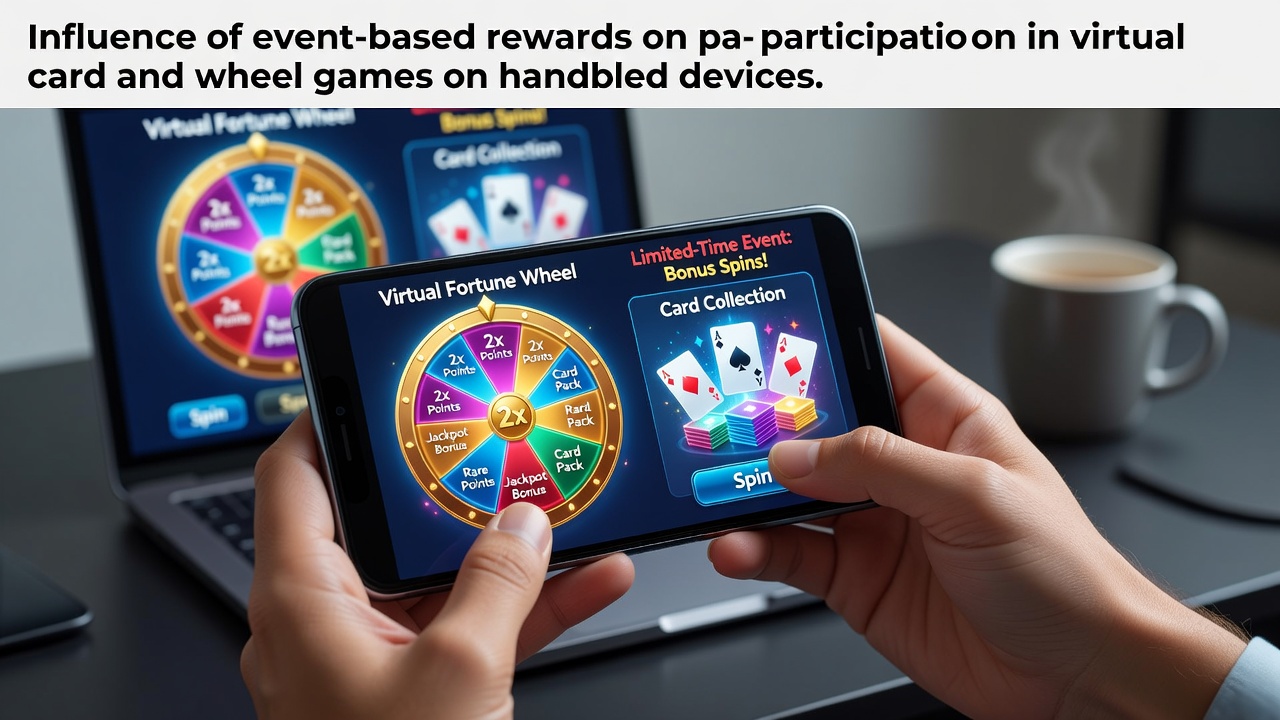
Event-based rewards operate as structured incentives triggered by specific in-game actions or milestones in virtual card and wheel formats, and developers deploy them across handheld platforms to shape user engagement patterns. These systems tie rewards such as bonus spins, card multipliers, or virtual credits directly to timed events, daily logins, or achievement thresholds rather than random chance alone. Research from the University of Nevada Las Vegas gaming laboratory shows that participation rates in mobile card and wheel titles rise when reward schedules align with predictable event windows, because players receive clear signals about when and how to earn additional value.
Mechanics of Event-Based Systems
Card games on handheld devices integrate event triggers through features like tournament brackets that activate at set intervals, while wheel formats often link spins to streak bonuses or community challenges that reset on a schedule. Players encounter these mechanics via push notifications and in-app banners that highlight remaining time until the next reward cycle, and data indicates completion rates climb when interfaces display progress bars tied to event goals. Observers note that handheld processors handle these calculations efficiently because the games rely on lightweight client-side logic synced with server timestamps, which keeps latency low during rapid tap sequences common in wheel spins or card draws.
Developers adjust reward density based on session analytics, so shorter events deliver smaller prizes while multi-day campaigns accumulate larger payouts, and studies reveal this tiered approach sustains longer play sessions across both game types. The structure avoids constant availability, instead creating scarcity that encourages repeated returns to the application on mobile devices.
Measured Effects on Participation Metrics
Analytics platforms tracking handheld gaming report that event-based rewards correlate with higher daily active user counts in card and wheel categories, particularly when events coincide with peak commuting hours or evening downtime periods. Figures from industry reports demonstrate retention curves flatten less steeply after the first week when players receive at least one guaranteed reward opportunity within 48 hours of installation. Participation volume increases further when events incorporate social elements, such as leaderboards that update in real time and award top positions with exclusive wheel segments or card packs.
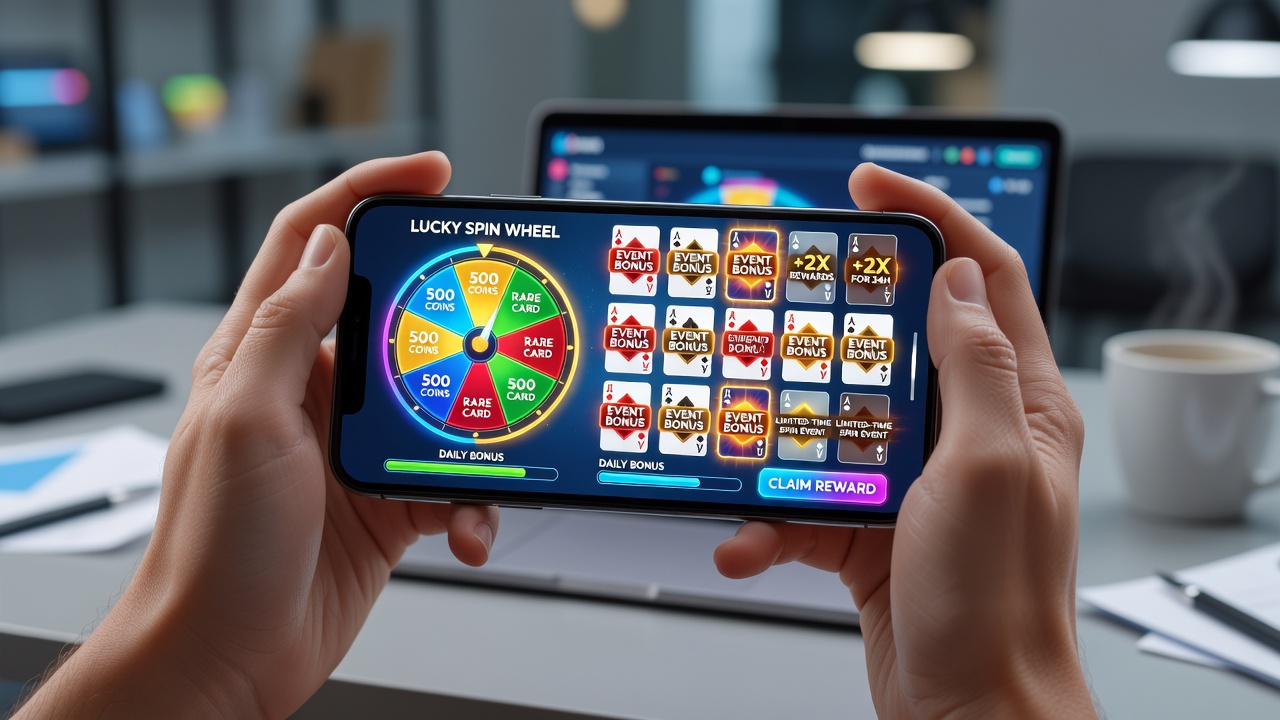
Researchers tracking cohort behavior across multiple titles found that players exposed to event calendars complete an average of 35 percent more sessions than those without scheduled incentives, because the anticipation of upcoming rewards reduces churn between logins. Handheld sensors contribute here as well, since location-based events can activate when users enter specific geographic zones, adding another layer of context that boosts interaction frequency without requiring additional hardware.
Regional Regulatory Context and Data Sources
Canadian provincial frameworks such as those administered by iGaming Ontario require clear disclosure of event probabilities and reward values in mobile offerings, which has led operators to standardize notification language across card and wheel applications. Similar transparency rules appear in Australian digital gaming guidelines issued by the Australian Communications and Media Authority, where operators must document how event triggers influence prize distribution. These requirements shape how developers present event details to users on handheld screens, ensuring participation metrics reflect informed choices rather than hidden mechanics.
Academic examinations of mobile gaming logs confirm that reward events timed around public holidays generate measurable spikes in session length, yet the effect diminishes if similar events repeat too frequently within the same calendar month. Analysts examining datasets from 2025 noted sustained growth in participation when events introduced new card themes or wheel variants, because novelty sustains interest beyond the basic reward structure itself.
Future Patterns Emerging in Late 2026
Projections for November 2026 anticipate wider adoption of cross-device event synchronization, allowing players to carry progress from handheld sessions into other formats without resetting reward counters. Developers test augmented overlays on mobile screens that highlight event timers during active play, and early trials indicate these visual cues further elevate completion rates for time-limited challenges. Participation data collected through the first half of 2026 already shows that integration of wearable companion apps extends event engagement windows, as users receive reminders outside the primary handheld interface.
Conclusion
Event-based rewards continue to function as primary levers for driving repeated engagement in virtual card and wheel games accessed through handheld devices, with measurable impacts documented across retention, session duration, and return frequency metrics. Regulatory environments in multiple jurisdictions enforce disclosure standards that influence how these systems reach players, while ongoing technical refinements point toward more integrated experiences by late 2026. The patterns observed in current datasets suggest that structured, time-bound incentives remain central to participation dynamics in this segment of mobile gaming.