Navigating Regulatory Frameworks for Cryptocurrency Bonuses in Mobile Gaming Environments
Ulrich Wolf · Oct 8, 2026
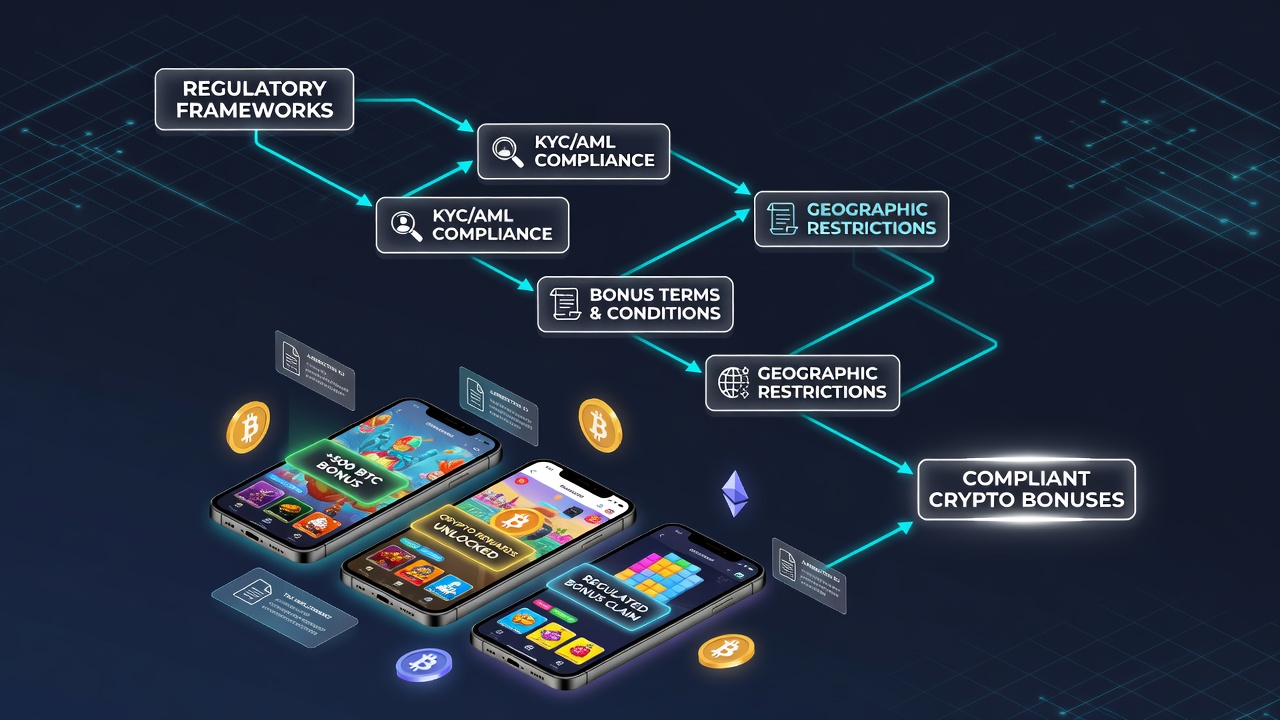
Navigating Regulatory Frameworks for Cryptocurrency Bonuses in Mobile Gaming Environments
Regulatory frameworks governing cryptocurrency bonuses in mobile gaming have evolved rapidly since the early 2020s, as authorities worldwide seek to balance innovation with consumer protection and financial oversight. Mobile platforms that integrate digital asset rewards must now contend with overlapping rules from banking regulators, gaming commissions, and securities bodies, creating a complex landscape that demands precise compliance strategies. Data from industry reports indicate that operators who fail to align bonus structures with these requirements face license revocations and substantial fines across multiple jurisdictions.
Key Regulatory Bodies and Their Approaches
Authorities in North America and Europe have issued targeted guidance on how cryptocurrency incentives interact with existing gaming statutes. The Financial Crimes Enforcement Network in the United States classifies certain bonus mechanisms as potential money transmission activities when they involve digital asset transfers, which means operators must register and implement customer verification protocols. Meanwhile, Canadian provincial regulators require that any crypto-based rewards meet the same anti-money laundering thresholds applied to traditional payment methods, and data shows these standards tightened further by late 2025.
Australian oversight through AUSTRAC extends similar scrutiny to mobile gaming operators offering cryptocurrency promotions, mandating transaction monitoring systems that flag unusual bonus redemption patterns. Observers note that these rules emphasize record-keeping and reporting obligations rather than outright prohibitions, allowing platforms to continue operations provided they maintain transparent audit trails.
Compliance Challenges in Mobile Environments
Mobile gaming introduces unique technical hurdles because bonuses often activate through in-app purchases or push notifications that cross international borders in real time. Developers must embed geolocation tools and dynamic rule engines to ensure that promotions comply with the strictest applicable regulations based on user location. Research indicates that many platforms now employ automated compliance layers that adjust bonus eligibility according to real-time regulatory feeds from different regions.
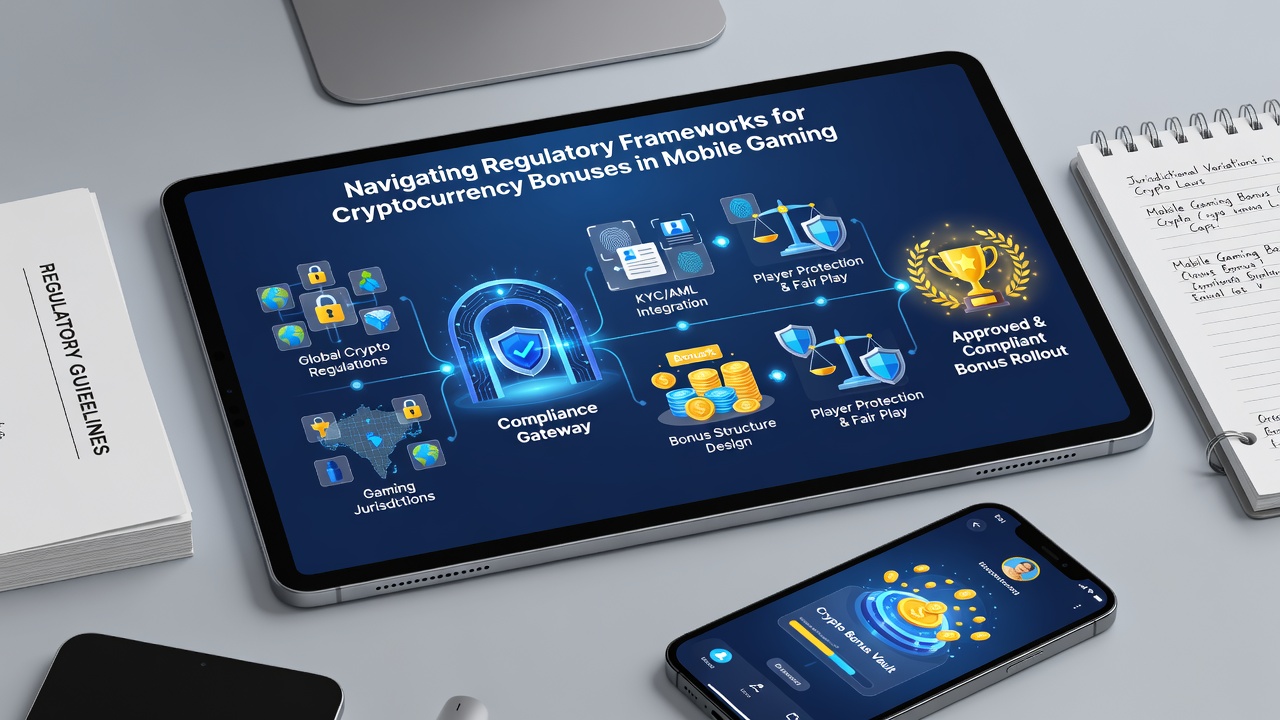
Take the case of one European operator that adjusted its entire reward system in October 2026 after new EU directives on digital asset promotions took effect. The company revised its bonus terms to separate promotional credits from actual cryptocurrency holdings, thereby avoiding classification under securities regulations. Figures from industry analyses reveal that similar adjustments helped numerous firms reduce compliance costs while preserving user engagement metrics.
Technical Integration and Reporting Requirements
Operators integrate blockchain analytics tools directly into mobile backends to satisfy ongoing reporting mandates. These systems track bonus flows from issuance through redemption and flag any activity that might trigger suspicious activity reports. According to guidance issued by the European Securities and Markets Authority, platforms must maintain immutable logs of every crypto transaction tied to gaming rewards for a minimum of five years.
Those who have studied these implementations find that successful operators combine on-chain monitoring with off-chain user data to create comprehensive compliance profiles. This dual approach allows quick responses when regulators request information about specific bonus campaigns or user cohorts.
Future Developments and Operator Strategies
By October 2026 several jurisdictions had begun piloting sandbox programs that let mobile gaming companies test cryptocurrency bonus models under supervised conditions. Participants receive temporary waivers from certain reporting rules in exchange for detailed data sharing wth regulators. Early results suggest these programs accelerate product launches while still protecting market integrity.
Industry associations have published voluntary best-practice frameworks that help smaller developers navigate these requirements without incurring prohibitive legal expenses. The frameworks outline standardized disclosure language for bonus terms and recommend third-party audits of crypto integration code.
Conclusion
Navigating regulatory frameworks for cryptocurrency bonuses in mobile gaming environments requires ongoing attention to evolving rules across multiple agencies and regions. Platforms that embed compliance mechanisms into their core architecture from the outset demonstrate stronger long-term viability than those that treat regulation as an afterthought. Continued collaboration between operators, technology providers, and oversight bodies will likely shape how these incentives develop in the years ahead.