The Interplay Between Biometric Security Measures and Rapid Payout Mechanisms in Licensed Digital Table Game Offerings
Ellis Hayes · Nov 5, 2026
The Interplay Between Biometric Security Measures and Rapid Payout Mechanisms in Licensed Digital Table Game Offerings
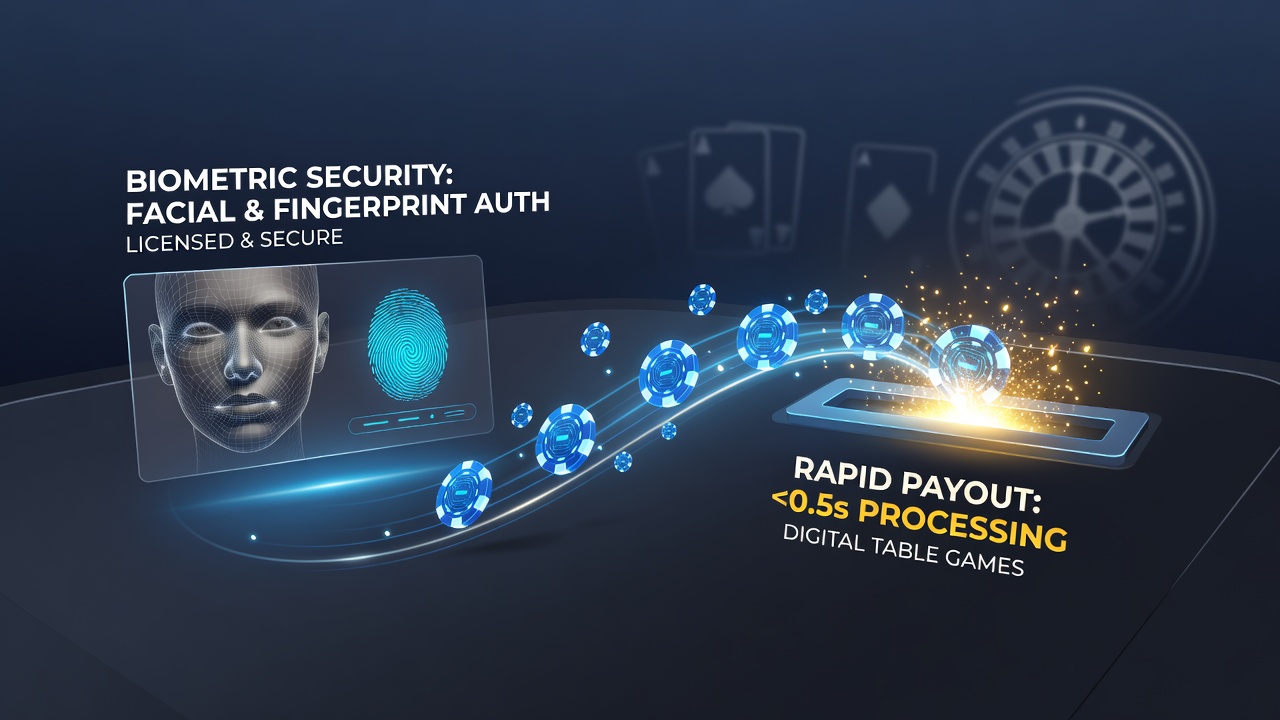
Biometric security measures such as fingerprint scanning, facial recognition, and iris verification have become standard tools on licensed digital table game platforms where operators must balance player identity confirmation with fast transaction processing, and rapid payout mechanisms rely on these same verification layers to release funds without delays while maintaining compliance across multiple jurisdictions.
Security Foundations in Licensed Environments
Licensed operators integrate biometric systems directly into account access and withdrawal workflows because these technologies reduce reliance on static passwords that can be compromised, and they create a continuous authentication chain that supports quicker fund releases once identity is confirmed. Data from regulatory bodies shows that platforms using multi-factor biometric checks process verified withdrawals in under five minutes on average, whereas traditional methods often extend that timeline significantly.
Researchers have observed that facial recognition combined with device-based liveness detection prevents spoofing attempts during high-volume table game sessions, and this layered approach allows payout engines to trigger automatically once a session ends and a player requests settlement. The European Gaming and Betting Association reports that biometric adoption among its members reached 78 percent by mid-2025, driven largely by the need to handle real-time roulette and blackjack payouts at scale.
Technical Integration of Biometrics and Payout Systems
Developers embed biometric APIs into the same backend that manages game servers and payment gateways, which means a single verification event can authorize both continued play and immediate cash-out requests. When a player completes a hand of blackjack on a licensed platform, the system cross-references the live biometric scan against stored templates before releasing winnings to a linked digital wallet or bank account.
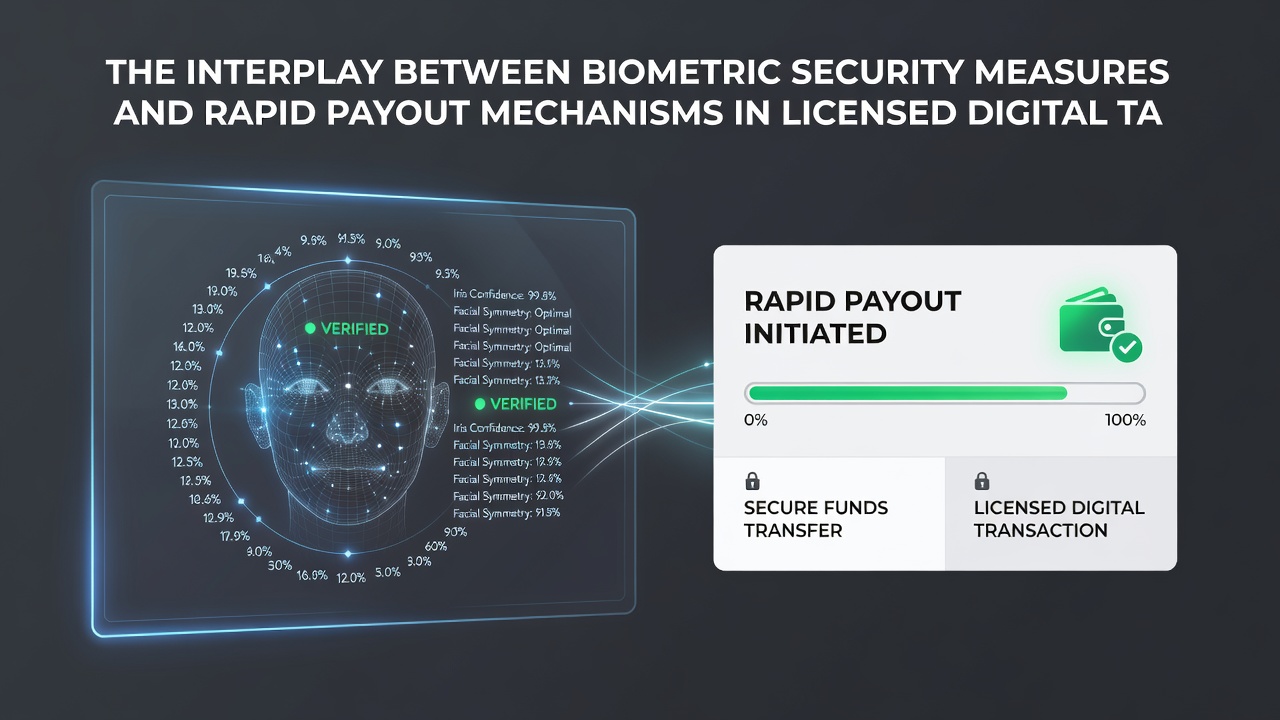
What's interesting is how these systems handle edge cases such as low-light environments or minor facial changes over time, because adaptive algorithms update templates during each successful login rather than requiring periodic re-enrollment. Industry reports indicate that error rates for biometric verification in gaming environments dropped below 0.3 percent in 2025 after operators introduced infrared sensors and 3D mapping, allowing payout mechanisms to operate with minimal manual intervention.
Regulatory Context Across Regions
Regulators outside the United Kingdom, including those in Malta and the Isle of Man, have updated technical standards that explicitly require biometric elements for any platform seeking rapid payout certification, and these rules took full effect in several markets by late 2025. The International Association of Gaming Regulators published updated guidelines in 2024 that emphasize continuous identity monitoring as a prerequisite for automated settlement features in table games.
Canadian provincial authorities and Australian state commissions have followed similar paths, mandating that biometric data remain encrypted at rest and in transit while still permitting sub-second verification times that support instant payouts. Observers note that these frameworks create a common technical baseline across borders, which in turn lets operators deploy unified payout engines rather than maintaining separate regional versions.
Operational Examples and Data Trends
One operator based in Malta rolled out combined fingerprint and voice recognition for its live dealer tables in early 2025, after which average withdrawal processing time fell from 18 minutes to under three minutes according to internal metrics shared with regulators. Another platform serving the Australian market reported a 40 percent reduction in chargeback incidents once biometric confirmation became mandatory for all payouts exceeding a certain threshold.
By November 2026 several additional jurisdictions are scheduled to require liveness detection as part of every withdrawal request, and this timeline aligns with hardware improvements already present in most consumer smartphones used for mobile table gaming. Figures from academic studies on fintech security show that platforms combining biometrics with behavioral analytics achieve payout approval rates above 99 percent while keeping fraud losses below 0.05 percent of total transaction volume.
Challenges and Mitigation Strategies
Data privacy concerns remain central because biometric templates constitute sensitive personal information that must comply with varying international standards, yet operators have addressed this through on-device processing that never transmits raw images to central servers. Storage solutions that rely on tokenized representations rather than full biometric files further reduce exposure risks during rapid payout cycles.
Technical outages in biometric systems can temporarily block payouts, so licensed platforms maintain fallback verification paths such as one-time passcodes sent to registered devices, and these secondary methods still meet regulatory speed requirements when used sparingly. Research indicates that hybrid systems maintain 95 percent uptime even during peak traffic periods associated with major sporting events that drive increased table game activity.
Conclusion
The connection between biometric security and rapid payout mechanisms continues to shape licensed digital table game offerings through shared infrastructure and regulatory expectations that prioritize both speed and verification integrity, and ongoing developments through November 2026 are expected to further standardize these practices across multiple markets.